 how-to
Emergency Locksmith for Home Lockout: What to Do
Table of Contents
- Locked Out of Your Home? Start Here
- How to Get Back Into a Locked House Safely
- What to Do While Waiting for a Locksmith
- Home Lockout Locksmith Cost: What to Expect
- How to Verify a Locksmith and Avoid Scams
- What Happens During a Home Lockout Call
- Residential Lock Rekeying After a Lockout
- Conclusion
- Frequently Asked Questions
Last Updated: October 17, 2026
Locked Out of Your Home? Start Here
Being locked out of your home is stressful, but fixable. An emergency locksmith for home lockout gets you back inside without breaking a window or damaging your door.
Most home lockouts are urgent and uncomfortable, but completely solvable.
Below, we cover what to do the moment the door clicks shut, how a locksmith opens a locked house safely, what home lockout locksmith cost depends on, and how to spot a scam before you pay.
How to Get Back Into a Locked House Safely
Getting back into a locked house safely means checking every entry point before forcing anything, then calling a professional locksmith if those checks fail. Most homes have a secondary door, window, or garage entry that is unlocked or easier to open than the front door.
Check Every Entry Point First
Walk the perimeter before you do anything else: back door, side gate, then garage. Many people lock the front door out of habit and leave the back door on a simple latch. Check whether a sliding door's security bar is engaged. Do not force anything, a broken window costs far more than a locksmith call.
What Not to Do When You're Locked Out
- Do not kick or shoulder the door. Modern doors and frames are stronger than they look, and you will damage the frame, the lock, and possibly the hinges.
- Do not break a window. Glass replacement plus a possible lock replacement is a much bigger bill than a lockout service.
- Do not climb through an upper window. Falls from height are a real risk, especially at night or in wet weather.
What to Do While Waiting for a Locksmith
While you wait, stay safe, stay reachable, and make the technician’s arrival smooth. The minutes between your call and the knock on the door are when most avoidable problems happen, so use them deliberately.
Secure the Scene and Yourself
- Move to a well-lit, visible spot. Stand near the front of the property but off the street, and turn on porch lights or use your phone’s flashlight so the technician can identify you.
- Keep your phone charged and on. The dispatcher or technician may call with updates or to confirm your location.
- Secure pets and children. Ask the technician whether to secure inside pets before the door opens, and keep children away from the door’s swing path.
Prepare for Identity Verification
A professional locksmith will ask you to prove you live there before opening the door. Have ready a photo ID with your address; if it doesn’t match, a piece of mail, lease agreement, or mortgage statement helps. Renters can use a lease or recent rent receipt. Don’t be offended, it’s a sign you’re dealing with a legitimate business. Scam operators rarely bother to verify residency.
Communicate Key Details Before Arrival
While waiting, text the company any additional access details: gate codes, which door to open, the lock type if you know it, and whether anyone inside cannot open the door. This saves time on arrival.
Avoid These Common Mistakes
- Don’t force the door yourself while you wait. Impatience can turn a simple lockout into a frame repair.
- Don’t leave the property. Stay close so you don’t miss the technician and incur a trip charge.
- Don’t agree to work without a price. If the quote is higher than what you were told on the phone, ask for the written estimate before any work begins.
If you are locked out of your house with a child, an elderly relative, or a pet still inside, say so when you call and again when the technician arrives. That changes the urgency and may affect the tools and approach used.
Home Lockout Locksmith Cost: What to Expect
Home lockout locksmith cost depends on the lock type, time of day, door, and distance traveled, not a single flat rate. A standard residential lock opened during business hours is the simplest job; after-hours calls, high-security locks, forced deadbolts, and drilling all add to the total.
Because pricing varies so widely, we don’t quote a fixed figure. Ask three questions before you agree to anything:
- What is the total price, including any after-hours or travel fee?
- Is that price fixed before the technician starts work?
- What happens if the lock has to be drilled, and does that change the price?
A reputable locksmith answers all three clearly and confirms the number in writing or on the phone. A vague "we'll see when we get there" is a warning sign.
How to Verify a Locksmith and Avoid Scams
Verifying a locksmith means confirming the business is local, licensed where required, and reachable by a real phone number before you let anyone near your door.
Use this checklist before you book:
- Search the business name and confirm a real local address, not just a phone number
- Ask whether the technician is employed by the company or subcontracted
- Confirm the total price in writing or by text before dispatch
- Ask for the technician's name and expected arrival window
The FTC guidance on avoiding locksmith scams is worth reading before you ever need it. It explains the tactics used by disreputable operators and how to protect yourself.
A real local business will happily tell you where they are based and who will show up.
What Happens During a Home Lockout Call
A home lockout call follows a predictable sequence. Here is what a professional locksmith should do from the moment you call to the moment you’re back inside.
Step 1: The Initial Call and Dispatch
When you call, the dispatcher will ask for your address and cross streets, the door and lock type, whether anyone inside cannot open the door, and your name and callback number. They should also give you an arrival window and a clear price quote, including after-hours or trip fees, before you agree to dispatch. If pricing is vague, ask for the all-in number and a confirmation text.
Step 2: Arrival and Identity Verification
When the technician arrives, they should present identification, confirm your name and address, and ask to see your ID or proof of residency before touching the lock. This step is non-negotiable for legitimate locksmiths. If someone arrives without ID or refuses to verify your residency, do not let them work on your door.
Step 3: Lock Assessment and Entry Method
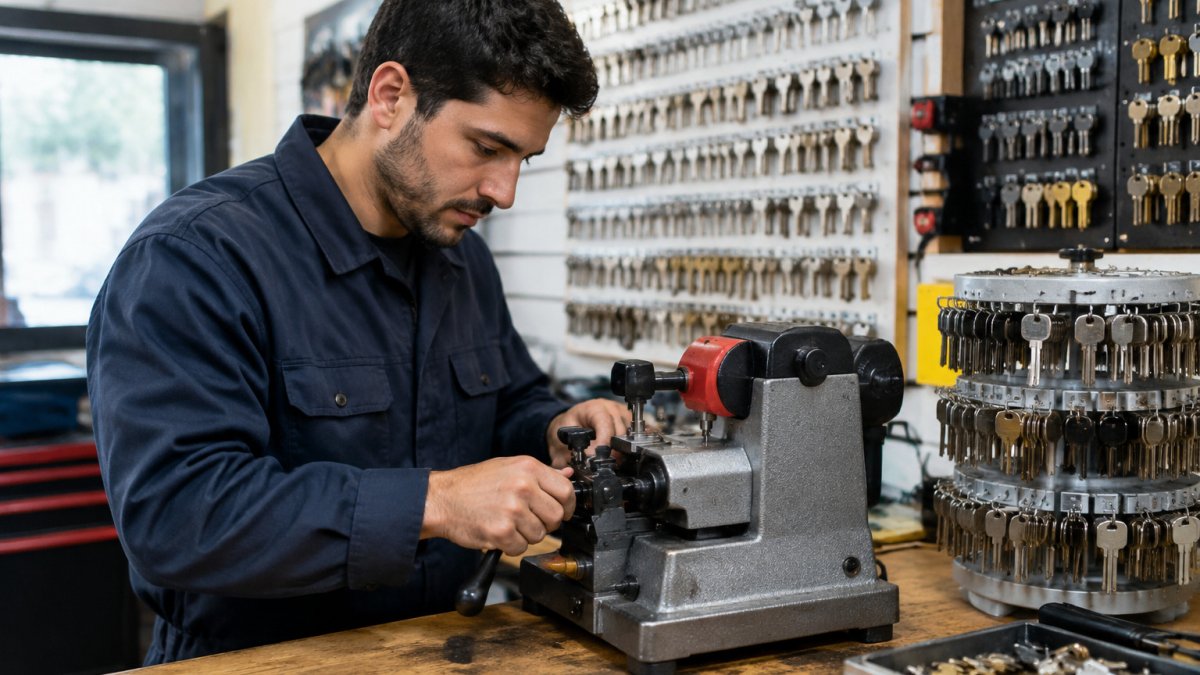
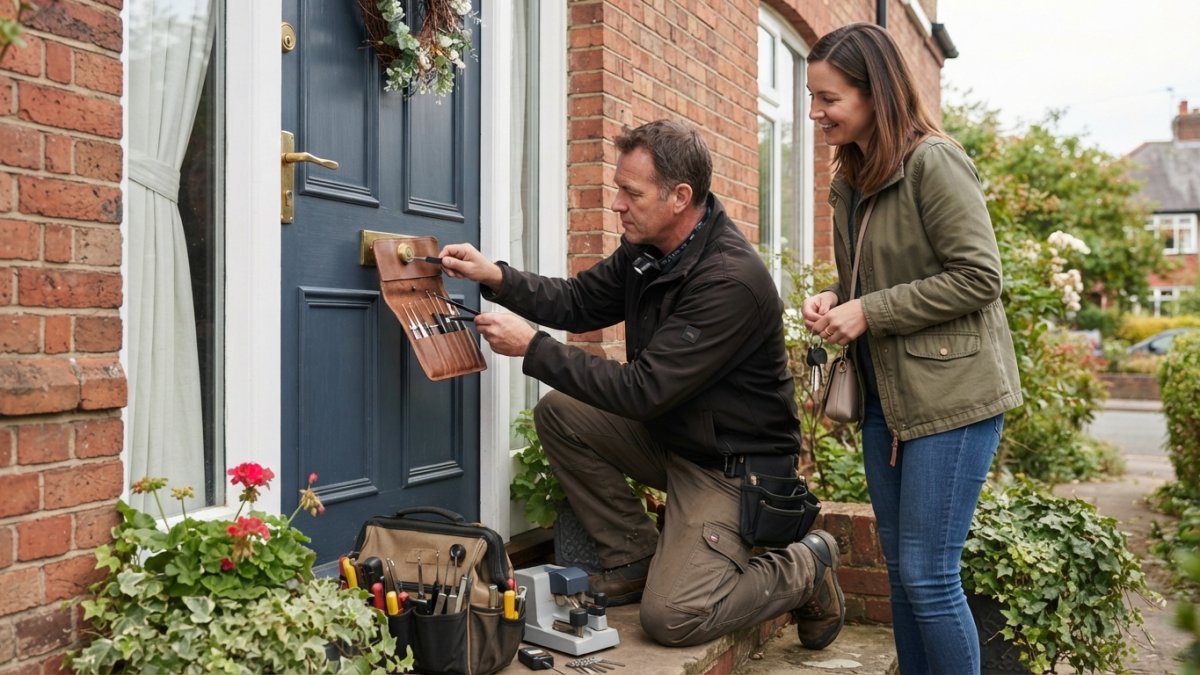
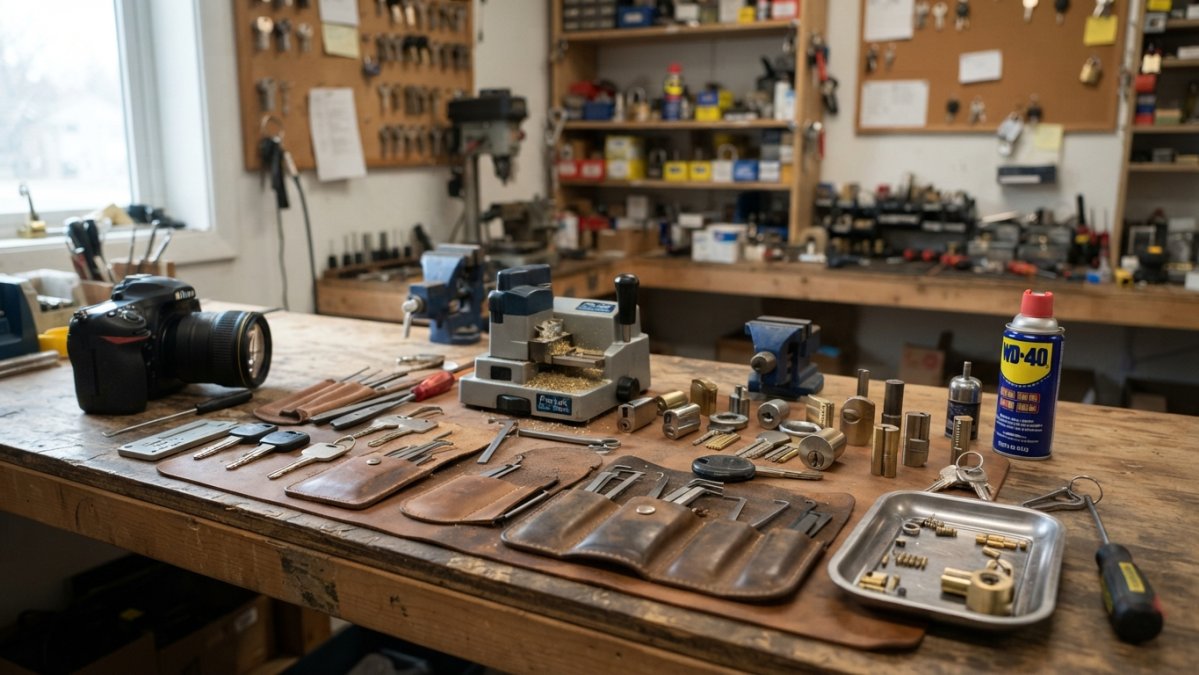
The technician will inspect the lock and door to determine the least destructive entry method. Most residential lockouts are opened without damage using non-destructive entry techniques:
- Lock picking: Picks and tension tools align the pins to open the lock.
- Bypass tools: A flexible tool slips past certain knob locks or spring latches.
- Bump keys: A specially cut key that can quickly open some pin-tumbler locks.
Drilling is a last resort for broken, seized, or forced locks. If needed, the technician should tell you before starting and explain the additional cost, then show you the damage and discuss replacement.
Step 4: Opening the Door and Post-Entry Check
Once the door is open, the technician should show you what was done, test the lock from both sides, and recommend whether rekeying or replacement is advisable, especially if the lock was damaged or you don’t know who has keys.
Step 5: Payment and Receipt
Before leaving, you should receive a written invoice matching the quoted price, a receipt showing the work performed, and clearly explained payment options. Be wary of any technician who demands cash only with no receipt or pressures you to pay before the work is complete.
Knowing this sequence helps you spot red flags early and get the damage-free entry and transparent pricing you’re paying for.
Residential Lock Rekeying After a Lockout
Residential lock rekeying after a lockout is worth considering whenever you are not certain who else has a key. Rekeying changes the internal pins so old keys stop working while keeping the existing hardware, cheaper and faster than replacement.
Rekeying makes sense in these situations:
- You just moved in and do not know who holds copies of the keys
- A key was lost or stolen before or during the lockout
- A contractor, cleaner, or former roommate had a key
- The lock was forced or drilled during entry
If the lock itself is damaged, worn, or low quality, replacement is the better call. For more on how locks and keys work, the ANSI/BHMA lock standards overview explains the grading systems used for residential hardware.
Conclusion
A home lockout feels enormous at the moment but turns out to be routine once the right help is on the way. The difference between a smooth, fairly priced entry and an expensive, stressful one comes down to who you call and what you confirm before they arrive.
Frequently Asked Questions
How long does it take for an emergency locksmith to unlock a house?
Response time depends on your location and the time of day, but a local emergency locksmith for home lockout typically arrives within a short window after dispatch. When you call, ask for an estimated arrival time and confirm the technician's location before you commit. Most standard residential lockouts are resolved quickly once the technician arrives, since non-destructive entry on a typical door lock takes only minutes. Keep your phone on and stay near the door so you can meet the technician.
Can a locksmith unlock a door without damaging it?
Yes. Professional locksmiths use non-destructive entry methods that unlock the door without drilling or breaking the lock in most cases. The technician picks or bypasses the lock mechanism, then tests that the door still latches and locks properly. Damage-free entry is the standard approach for a home lockout; drilling is a last resort for a broken or seized lock. Ask the dispatcher to confirm the technician uses non-destructive methods before you agree to service.
What should I check before hiring a locksmith for a home lockout?
Confirm the business has a real local address and phone number, ask for the technician's name and estimated arrival time, and request the price before work starts. A reputable locksmith for home lockout will quote fees upfront, including any after-hours charge, and will not demand cash only or pressure you into a rekey you did not ask for. You can also ask whether the technician carries identification and whether the company is licensed where your area requires it.
Do I need to rekey my locks after a lockout?
Not always, but rekeying is worth considering if you are unsure who has copies of your keys, if you recently moved in, or if a key was lost rather than simply left inside. Residential lock rekeying after a lockout changes the internal pins so old keys stop working while you keep the same hardware. If your key was locked inside and recovered, rekeying is usually unnecessary. Ask the technician to explain the options and pricing before deciding.
If you are locked out right now, The Key Shop And More provides local locksmith assistance for Rio Linda homeowners and renters, including lockout entry and rekeying once you are back inside. Our team confirms pricing before dispatch, identifies itself on arrival, and checks your ID before opening any door, so you know exactly who is working on your home. Call us for lockout assistance or to schedule rekeying after entry, and get back inside without damaging your door.