 how-to
Can a Locksmith Duplicate a Worn Key? Here's How It Works
Last Updated: November 11, 2026
Quick Summary
Yes, a locksmith can usually duplicate worn keys in a few minutes. The copy carries the same wear, so it works best when cut from the sharpest working key you still have rather than the most worn one.
- Copy from the sharpest working key, not the most worn one.
- Check that the lock works with a fresh key before cutting anything.
- Signs of wear include rounded teeth, sticking, and a key that needs force.
- A locksmith can cut a new key from the lock's pin pattern if no key survives.
- Forcing a stuck key can bend the blade or damage the pins.
Table of Contents
- What Happens When a Key Wears Down
- How a Locksmith Duplicates a Worn Key Step by Step
- Copy a Key to Match an Existing Key
- Make a Key From a Lock When No Key Survives
- Key Not Turning in the Lock: Causes and Fixes
- Rekey or Replace a Door Lock Instead?
- Booking a Key Duplicate in Rio Linda
- Frequently Asked Questions
What Happens When a Key Wears Down
Most worn keys can still be copied, and a locksmith can usually handle the duplicate worn keys job in a few minutes.
Keys wear down in predictable ways. The edges of the cuts round off, the metal thins at the tips, and the bitting depths drift from their original shape. Each copy you make from a worn key can drift a little further.
Common signs of wear include:
- Rounded or flattened key teeth
- A key that sticks, sticks halfway, or needs jiggling
- Visible scratches or a bent blade
- A key that worked last month but now needs force
A worn key is not always a sign that the lock is failing. Often, the key is the only part that has changed. If the lock still works smoothly with a fresh copy, the lock itself is usually fine.
How a Locksmith Duplicates a Worn Key Step by Step
Step 1: Inspect the original key. The locksmith looks for the key's blank type, cut depth, and any damage.
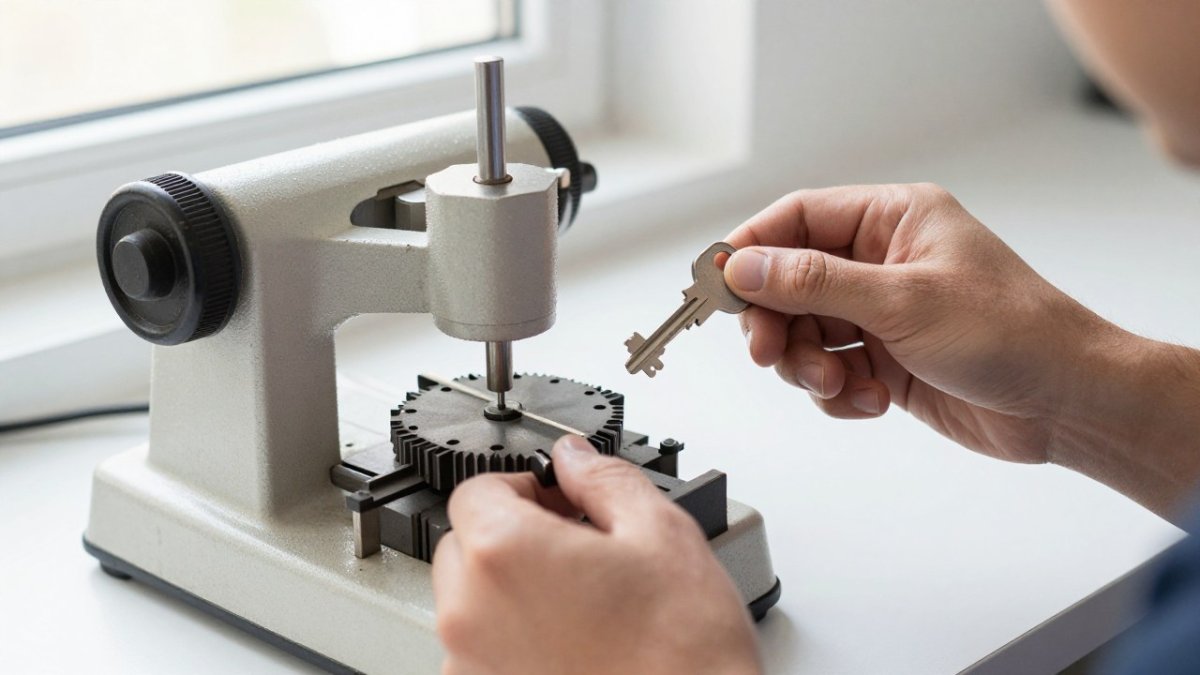
Step 2: Choose the matching blank. Blanks come in many styles. The right blank must match the key's shape, the keyway, and the bitting.
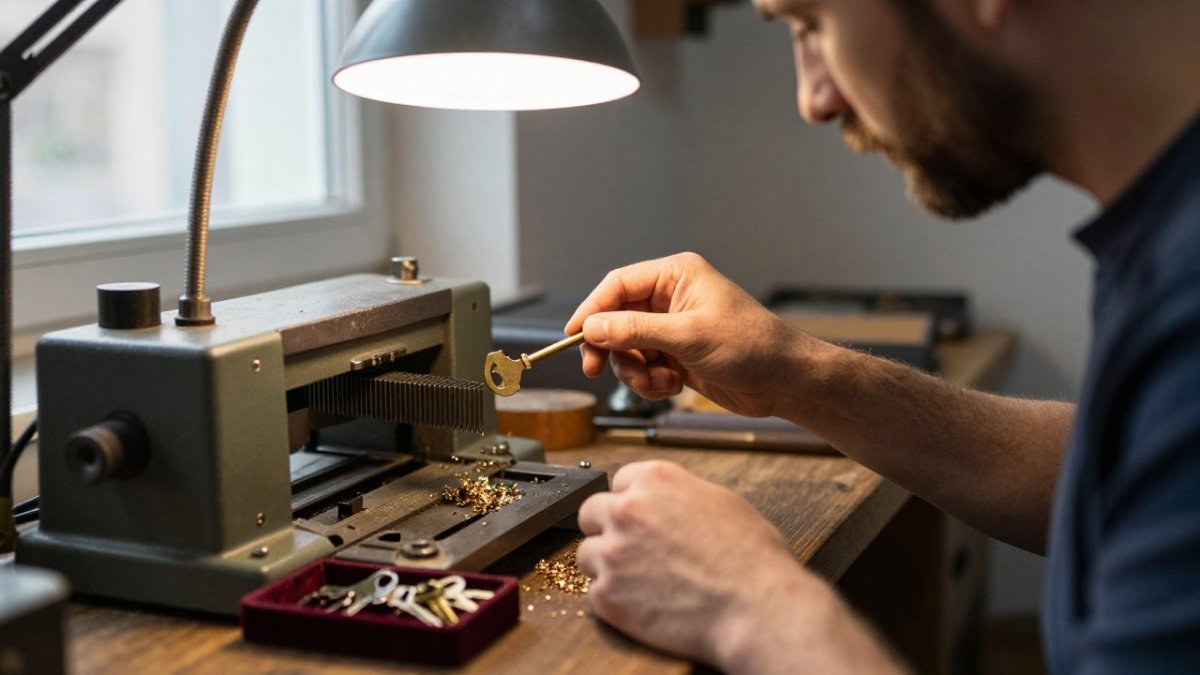
Step 3: Clamp and cut. The original key and blank go into the cutting machine.
Step 4: Deburr and test. The new key gets its edges smoothed.
Step 5: Compare against the original. If the copy turns smoothly, the job is done.
Prices depend on the key type and the blank, so contact The Key Shop And More for a current quote.
Checking the Lock Before Cutting Anything
Before any cutting begins, check that the lock works with a fresh key. A stiff or damaged lock can make a perfectly good copy look bad. Turn the lock with the original key, then with the copy, and watch for binding, grit, or a lock that feels loose.
Watch out: cutting a new key from a key that is already badly worn can produce a copy that works only some of the time. Ask for a sharper key to copy from if you have one.
The process follows a clear sequence, from inspecting the original key to testing the copy in the lock.
| Step | What to do | Time or frequency |
|---|---|---|
| Inspect the original key | Check blank type, cut depth and damage | Before cutting |
| Choose the matching blank | Match key shape, keyway and bitting | Before cutting |
| Clamp and cut | Trace original cuts onto new blank | During cutting |
| Deburr and test | Smooth edges, turn fully both ways | After cutting |
| Compare against original | Confirm smooth turn or re-cut from sharper key | Final check |
Copy a Key to Match an Existing Key
To copy a key so it matches an existing key, the locksmith needs the original to be a working key that opens the lock, since duplicate worn keys are only reliable when cut from a key that still turns smoothly. The copy should match its cuts, length, and blank style.
Some people want a copy that matches a key from a different lock. That is not a copy. It is a new key cut to a new bitting, and it may not open the lock you think it will. Bring the lock and the key to the shop so the locksmith can confirm which one you need.
Here is a quick checklist before you copy:
- Confirm the key still opens the lock.
- Pick the sharpest working key to copy from.
- Bring every key you want copied, so the locksmith can match them.
- Ask whether the blank is the correct style for the lock.
Make a Key From a Lock When No Key Survives
When no key survives, a locksmith can often cut a new key by reading the lock's pin pattern. This takes more time and skill than copying a key, but it is a common service.
This process works best with standard residential locks. Some high-security cylinders are harder to read and may require more work or a different solution. A locksmith can tell you which path makes sense for your lock.
Proof of ownership matters here. A reputable locksmith will ask for identification and proof that you live at the home or own the property before cutting a key from a lock.
Key Not Turning in the Lock: Causes and Fixes
A key that will not turn can point to several causes. The key may be worn, bent, or the wrong key. The lock may be dirty, out of alignment, or worn inside. Sometimes the door itself has shifted and the latch no longer lines up with the strike plate. When the problem starts right after a key is copied or a lock is rekeyed, the cause is usually in the new key or the reassembly rather than the door.
Try these checks first:
- Test the key on another door that uses the same lock, if you have one.
- Spray a small amount of graphite lubricant into the keyway. Avoid oil-based products, which attract dirt.
- Look at the key for bends or damaged teeth.
- Check whether the door is pressing against the frame, which can jam the bolt.
Troubleshooting after rekeying or duplicating
If a new copy sticks but the original turns smoothly, compare the two keys side by side. A copy cut from a worn original can inherit rounded cuts that sit slightly high or low in the keyway. Ask for the copy to be cut again from the sharpest key you have, or have the locksmith check the copy's depths against the original.
If the lock worked before you removed the cylinder but binds after reinstallation, the cylinder may be seated off-center or the retaining clip may not be fully engaged.
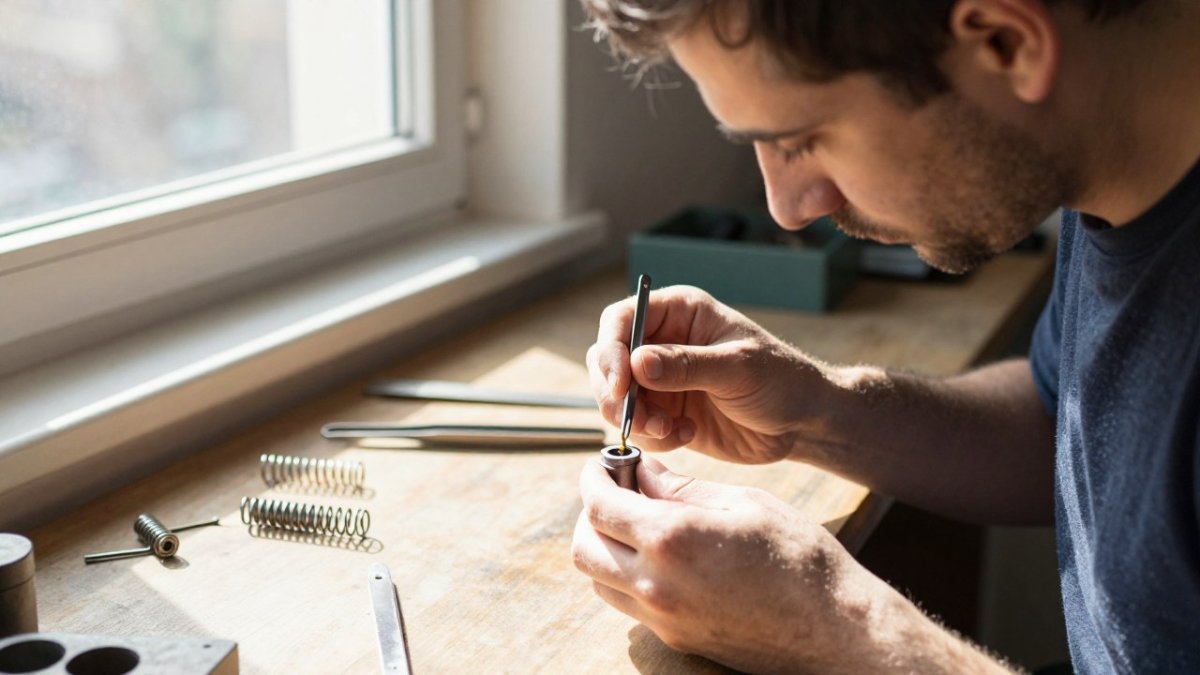
If the key turns only partway after a rekey, a pin may be misplaced or a spring may be bound in the housing.
Watch out: forcing a key that will not turn can bend the blade or damage the pins, turning a simple fix into a lock replacement.
If these steps do not fix the problem, the lock likely needs service or replacement. A worn lock can wear out the key quickly, and a new key will not solve a broken lock.
Rekey or Replace a Door Lock Instead?
Rekeying changes the internal pins so the existing lock works with a new key. Replacing the lock installs an entirely new cylinder or deadbolt. Both options are common, and the right choice depends on the lock's condition, its design, and your goals.
Rekeying usually makes sense when:
- You moved into a home and want to block old keys.
- The lock still works well and matches your needs.
- You want to keep the same hardware.
- The cylinder is a standard pin-tumbler design that accepts a rekey kit or a locksmith's pin set.
Replacing usually makes sense when:
- The lock is damaged, loose, or hard to turn.
- You want a stronger lock or a different style.
- The lock is very old and parts are hard to find.
- The cylinder is a non-standard or high-security design where rekeying parts are not readily available.
Lock compatibility and model identification
Before deciding, identify the lock. Look for a brand and model stamp on the faceplate, the cylinder, or the interior trim. Lock cylinders from different brands can use different pin kits and keyway profiles, and procedures are not always interchangeable. If you cannot find a model stamp, bring a photo of the lock and the key to a locksmith so they can confirm the cylinder type before you buy any kit.
Cost and time comparison
For a whole home, plan for the number of exterior doors and allow time for labeling and testing each lock. Contact The Key Shop And More for a quote that fits your situation rather than relying on a single national average.
Rekeying a full home consistently
If you are rekeying several doors, plan the keying before you start. Confirm each cylinder is the same compatible type, decide whether you want one key for all exterior doors or separate keys for certain doors, and label each cylinder as you remove it so it goes back on the same door. Test every lock after reinstallation, and keep one master copy in a safe place. A common mistake is rekeying the front door and assuming the back door cylinder is identical when it is a different brand or a different pin count.
Safety and when to replace instead
Small springs and pins can fly out during disassembly, so work over a tray or a magnetic mat and keep a spare pin kit on hand. Check the door and frame for looseness, and confirm the strike plate lines up before you reinstall. If the lock is damaged, noncompliant with local building or fire code, or missing parts, replace it rather than rekey it. If you want a closer look at the rekey service itself, the Residential Rekey service page explains what the work involves.
Homeowners asking about the full cost of rekeying a whole house should read what it costs to rekey an entire house before deciding.
Booking a Key Duplicate in Rio Linda
If you need a worn key copied, the fastest path is to bring the key in or call ahead. The Key Shop And More serves Rio Linda and the surrounding area.
Before you visit, gather a few details: the key itself, any other keys for the same lock, and the lock's make if you know it. This helps the locksmith quote the job accurately and avoid a second trip.
For a complete look at what the shop offers, browse the full list of services to see how key duplication fits with lockouts, rekeying, and automotive keys.
Contact The Key Shop And More to have your keys copied.
Frequently Asked Questions
Can a locksmith copy a worn key?
In most cases, yes. A locksmith can copy a worn key as long as the teeth are still readable enough to trace the cut pattern accurately. Wear is usually rounded edges and shallow peaks rather than missing material. The copy is cut from the worn original, so any existing wear is reproduced in the new key. If the key is badly bent, cracked or missing sections, a locksmith may instead cut a fresh key from the lock's keyway code or pinning, which avoids copying the damage. Bring the worn key in for an assessment before deciding.
Is it better to duplicate a worn key or replace it?
Duplicating a worn key is usually the right move if the original still turns the lock reliably. Copying from a worn key can compound small errors, so a copy made from a copy may fail sooner. The safer approach is to have a fresh key cut from the lock itself, or from the original key if it is still accurate, and then retire the worn one. If the lock is also sticking or binding, address the lock before cutting more keys, since a strained lock will wear new keys quickly.
Can a locksmith make a key without the original?
Yes. A locksmith can make a key from the lock itself by identifying the lock make and model, then either using a key code or by decoding the pin configuration with a pick and reading tool. Many residential locks have a stamped key code that allows a fresh key to be cut without the original. This method needs the lock to be in good working order and the owner to prove they have the right to access it. Expect the process to take longer than a standard duplicate.
Should I rekey or replace a lock if my key is worn?
Rekeying is generally the better option when the lock body is sound and you only need the old keys to stop working, such as after moving into a home or losing track of copies. Replacement makes more sense when the lock is damaged, worn internally, or no longer matches your security needs. A locksmith can check the lock condition during a visit and quote both options, so you can compare them before deciding.