 how-to
How to Rekey Residential Door Locks Step by Step
Quick Summary
To rekey residential door locks, you remove the cylinder, take out the old pins, and insert new pin stacks that match a new key, then reassemble and test it. A rekey kit, a clip ring tool, and a pin reset tool are the main supplies needed for most standard deadbolts.
- Rekey when the lock works smoothly and only the key access needs changing.
- Replace the lock instead if it is broken, rusted, or hard to turn.
- Insert the new key before reassembling to check that it turns freely.
- If the key feels stiff, a pin is likely reversed or misplaced in the stack.
- A DIY rekey costs only a kit and a few tools, while professional service adds labor.
Table of Contents
- How to Rekey Residential Door Locks Step by Step
- Rekey or Replace? Deciding Before You Start
- Tools and Supplies You Need to Rekey a Lock
- Identifying Your Lock Type and Rekey Method
- How to Rekey a Lock to Match an Existing Key
- How to Rekey a Deadbolt Lock Step by Step
- Rekeying Without the Original Key and Troubleshooting Common Problems
- Cost to Rekey a House Door Lock and When to Call a Locksmith
- Book a Rekey Service With The Key Shop And More
- Frequently Asked Questions
How to Rekey Residential Door Locks Step by Step
Last Updated: November 10, 2026
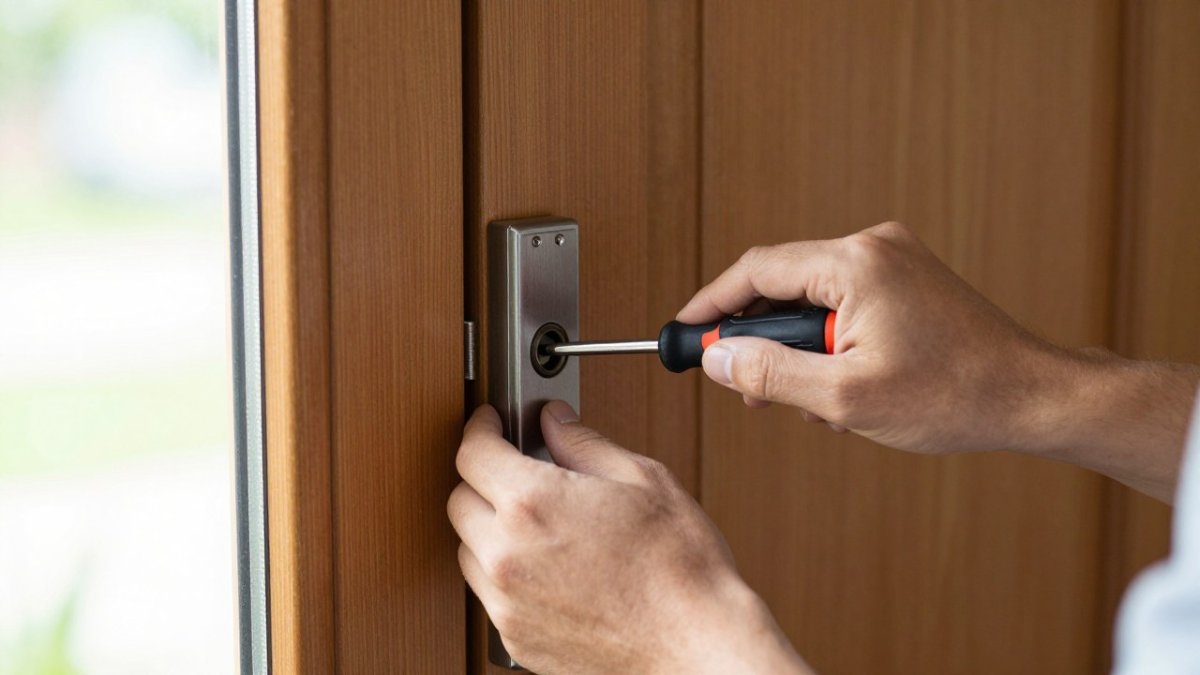
Rekeying a residential door lock means changing the internal pins so that a new key works while the old one stops working. For a fuller DIY walkthrough for rekeying house locks, read the complete guide. Many homeowners try this themselves, and most do it successfully once they know what to check first. Learning to rekey residential door locks is often less costly than replacing the hardware.
This guide walks through the full process. You will learn when rekeying makes sense, which tools you need, how to identify your lock type, and how to handle the job without the original key. We also cover troubleshooting and when it is smarter to call a professional.
Rekey or Replace? Deciding Before You Start
A lock is a rekey candidate if the hardware is in good shape but you need the key combination changed. If you just moved in and need locks changed quickly, see how to rekey locks in a new home fast. Rekeying is the right choice after a move, a lost key, or a former tenant leaving copies behind. Property owners can look at the eviction rekey service for locks left after a tenant departs.
Replacement makes more sense when the lock is damaged, the bolt sticks, or the cylinder is a brand that no longer matches your security needs.
- Rekey when: the lock works smoothly and only the key access is the problem
- Rekey when: you just moved into a home with unknown key holders
- Replace when: the lock is broken, rusted, or hard to turn
- Replace when: you want a higher security grade than the current cylinder offers
Tools and Supplies You Need to Rekey a Lock
Most rekeying jobs need only a few basic items. Gather everything before you start so you do not have to stop halfway.
- A rekeying kit with pins, springs, and a plug follower set
- A small flathead screwdriver
- A pin reset tool or a thin pick
- A clip ring tool (sometimes called a retaining clip tool)
- New key blanks that match the lock's keyway
- A clean, flat workspace with good lighting
A rekey kit usually includes the pin stacks you need for common cylinder brands, so check that the kit matches your lock before buying.
Identifying Your Lock Type and Rekey Method
Not every cylinder rekeys the same way. Check the lock's brand stamp, keyway shape, and number of pins before you buy any kit.
Most residential doors use a pin tumbler cylinder. These have five or six pin stacks inside, and each stack must line up with the key's cuts to open the lock.
Some newer locks use specialized designs that need a manufacturer's tool or a locksmith. If the stamp does not match any kit you can find, a professional will save you time and frustration.
How to Rekey a Lock to Match an Existing Key
If you want a new lock to open with a key you already own, you can pin the cylinder to match that key's cut pattern. This is useful when you want to keep one key for several doors.
- Insert your existing key into the cylinder and turn it to the "on" position.
- Note how far each pin stack is pushed by the key.
- Select pins from your rekey kit that match those depths.
- Install the pins in order, testing with the key as you go.
- Reassemble the cylinder and confirm the key turns smoothly.
Matching a key can take more time than a standard rekey.
How to Rekey a Deadbolt Lock Step by Step
A deadbolt is the most common lock to rekey at home. The steps below apply to most standard residential deadbolts.
Step 1: Remove the cylinder. Unscrew the mounting screws from the inside of the door. Pull the cylinder out gently.
Step 2: Remove the clip ring. Use the clip ring tool to lift the retaining clip. Slide the plug out of the housing.
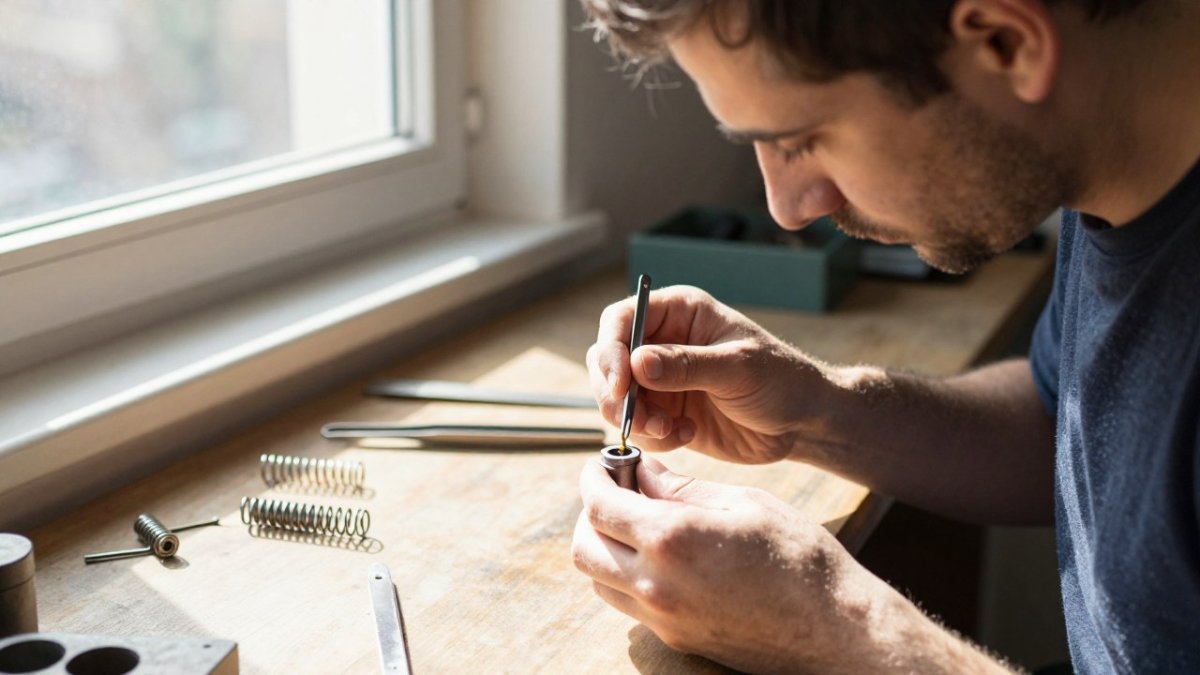
Step 3: Remove the old pins. Turn the plug so the springs and pins fall out. Keep them in order on a clean towel.
Step 4: Insert new pins. Place the new pin stacks in the order your kit specifies. Start with the top pins and work down.
Step 5: Test with the new key. Insert the new key before reassembling. Check that it turns freely and the bolt moves.
Step 6: Reassemble and reinstall. Put the plug back in, replace the clip ring, and reattach the cylinder to the door.
Watch out: if the key feels stiff after reassembly, a pin is likely reversed or misplaced. Disassemble and check the order before forcing the key.
Rekeying Without the Original Key and Troubleshooting Common Problems
You can still rekey a lock if you have lost every copy. The process starts the same way, but you will pin the cylinder using the pin reset tool and no existing key.
Common problems include:
- Key will not turn: a pin is installed upside down or in the wrong position
- Key turns but the bolt stays stuck: the cylinder is not fully seated in the door
- Pins keep falling out: the springs are not compressed evenly during reassembly
- Clip ring pops off: the ring is not fully seated in its groove
Most of these issues fix themselves once you check the pin order and reseat the cylinder carefully.
Cost to Rekey a House Door Lock and When to Call a Locksmith
Doing it yourself keeps the cost to the price of a rekey kit and a few tools. For a more detailed breakdown of what rekeying an entire house costs, see our pricing guide. Professional rekeying includes labor, and a service visit can cover multiple locks. For whole-house rekeying, contact The Key Shop And More for a quote, since pricing depends on how many locks you have and their type. You can also review the residential rekey service to see what it includes.
Call a locksmith when the lock is high security, when you are unsure about the lock type, or when a DIY attempt has not worked.
Book a Rekey Service With The Key Shop And More
If you would rather skip the job, contact The Key Shop And More for residential rekeying help in Rio Linda.
Frequently Asked Questions
Can I rekey my own door locks?
Yes, many residential pin tumbler locks can be rekeyed at home with a rekeying kit. The process involves removing the cylinder, taking out the existing pins, and installing new pins that match a new key. Not every lock supports rekeying, so check the lock brand and model first. If the lock is a high-security or smart lock, or if you are unsure about the mechanism, a locksmith is the safer choice. Keep the old pins and tools organized so you can reassemble the cylinder correctly.
Is it easier to rekey a lock or replace it?
Rekeying is usually faster and less expensive than replacing a lock, because the hardware stays in place and only the internal pins change. Replacement makes sense when the lock is worn, damaged, or outdated, or when you want a higher security grade. Rekeying works well after a move, a lost key, or a change in who has access. Compare the condition of the lock and your security goals before deciding.
How much does it cost to rekey a house door lock?
Pricing depends on the number of locks, the lock type, and whether you rekey yourself or hire a professional. For current prices and a quote for your specific locks, visit The Key Shop And More website or contact the team directly. Doing it yourself requires a rekeying kit, which is a smaller cost than professional service but takes more time and care to complete correctly.
Can you rekey a lock to match an existing key?
Yes. Rekeying to match an existing key means setting the lock's pins so that your current key operates it. This is useful when you want one key for several doors or when you need to match a key you already carry. The process uses the existing key as a reference during pinning, so the original key must work properly. A locksmith can match keys across multiple locks for a consistent master key system.